

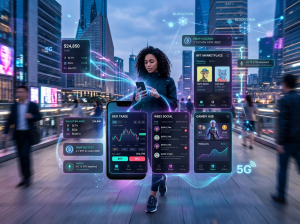
The global transition toward decentralized applications in 2026 is driven by a massive consumer shift from static desktop setups to native mobile environments. While early Web3 interactions relied almost exclusively on desktop browser extensions, those tools are increasingly showing security limitations like shared-memory leaks and extensions-level phishing exploits. To combat these client-side vulnerabilities, active investors are turning to the highly insulated architecture of the paypilot wallet. This next-generation mobile interface replaces vulnerable browser plugins with a dedicated, sandboxed operating system environment, guaranteeing that on-chain interactions remain secure and fully protected from desktop malware.
Establishing this highly optimized, mobile-first ecosystem is crucial for achieving global Web3 mass adoption. By completing a quick crypto pilot app download for iOS or Android, users immediately gain access to a secure playground where dApps are rendered natively. This comprehensive hub integrates biometric authentication, keyless social recovery, and real-time transaction simulation directly into a touch-optimized mobile browser. By eliminating the necessity for complex manually coordinated bridges or multiple desktop extensions, modern mobile wallets ensure that users can manage their digital assets safely on the go.
The Desktop Vulnerability: Why Mobile Web3 is Structurally Safer
For years, the standard entry point to decentralized finance was the desktop browser extension. However, browser extensions operate inside a shared JavaScript environment that is inherently vulnerable to cross-tab exploits, memory manipulation, and malicious plugin updates. Cybercriminals exploit these gaps to swap destination wallet addresses and hijack private transactions. Shifting to mobile-native applications removes these structural vulnerabilities, offering users a clean slate for secure transactions.
Modern smartphones provide physical, hardware-level isolation that desktop browsers simply cannot duplicate. On iOS devices, private keys are securely generated and stored in the dedicated Secure Enclave co-processor. Android systems use equivalent tamper-resistant hardware key storage provided by StrongBox Keymaster and Google's Titan chips. This physical separation prevents unauthorized applications or compromised browser tabs from ever accessing sensitive cryptographic keys.
In-App dApp Browsers: Phishing Protection and Simulation
To facilitate seamless interaction with decentralized protocols, top-tier mobile wallets incorporate isolated, in-app dApp browsers. These customized search clients are far more advanced than basic Web2 browser components. They utilize native threat databases to automatically flag and block known phishing domains and malicious smart contracts. This active gatekeeping completely neutralizes the risk of users accidentally connecting their wallets to draining scripts.
Furthermore, in-app browsers are equipped with automated transaction simulation engines. Before any transaction signature is authorized, the wallet executes a private dry-run of the smart contract logic. It decodes the execution payload, displaying a clear, visual summary of which tokens will leave the balance. This plain-English overview prevents blind signing exploits and empowers retail users to transact with absolute transparency.
Optimizing Data, Traffic, and Battery on Mobile Nodes
Executing continuous on-chain transactions can quickly exhaust mobile battery life and cellular data. To prevent this resource drain, modern Web3 hubs utilize lazy-loading RPC protocols and highly optimized state-caching engines. Instead of constantly pinging decentralized networks for state updates, the application fetches data only when needed. This compression drastically reduces data traffic, ensuring a smooth, uninterrupted browsing experience even on slow cellular connections.
Additionally, mobile wallets optimize resource usage through built-in gas sponsorship and smart gas parameters. Users no longer need to execute multiple expensive on-chain swaps just to purchase native network utility tokens for transaction fees. Modern gateways allow consumers to pay gas fees directly in stablecoins like USDC or USDT. This feature significantly cuts down the number of transaction rounds, lowering network overhead and saving device CPU cycles.
Social Recovery and Keyless Security for Mobile Portability
The ultimate goal of the mobile Web3 movement is creating an intuitive user experience that rivals traditional banking. By deploying keyless onboarding systems, modern wallets eliminate the terrifying requirement of physically securing a 12-word seed phrase. Users can create secure non-custodial accounts using their standard biometrics combined with cloud-based Multi-Party Computation shards. This makes setting up a decentralized wallet as fast and simple as signing up for a conventional fintech application.
If a user loses their physical device, they can recover their assets securely through automated social recovery. By designating trusted guardians—such as devices, family members, or regulated institutions—the owner can easily reconstruct their wallet keys. This recovery structure removes the single point of failure commonly associated with early self-custody systems. It ensures that casual retail users can confidently interact with DeFi on the go without the fear of permanent capital loss.
Conclusion: The Blueprint for Mass On-Chain Adoption
The transition from desktop-centric Web3 to integrated mobile ecosystems represents a major evolutionary leap for decentralized finance. By combining hardware-level security, transaction simulation, and resource-friendly network parameters, mobile hubs make digital assets highly accessible. Enterprises and retail investors who adopt these optimized mobile platforms today enjoy unprecedented security and operational flexibility. Dismantling complex usability barriers is the definitive path to achieving global mass adoption.
Você pode ser o primeiro!